Trending

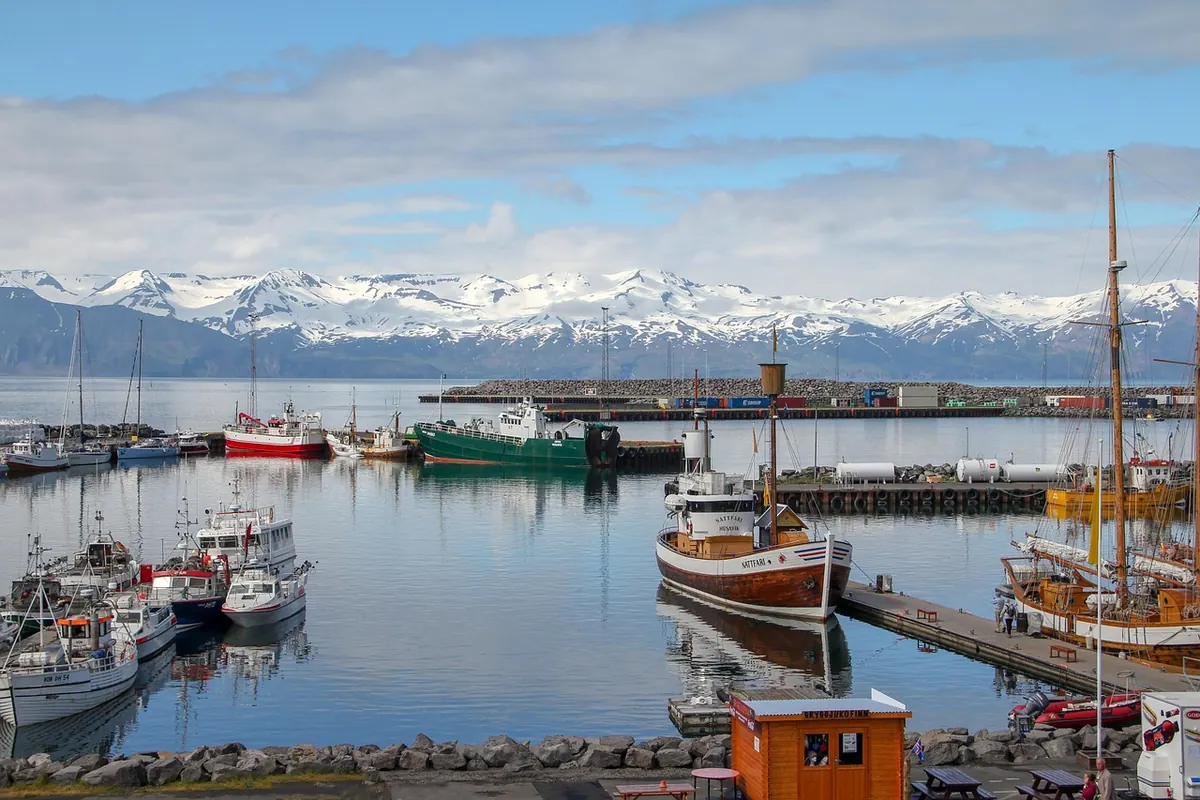
The harbor at six in the morning is not the harbor in the brochure. The light is grey, the gulls are loud and unglamorous, and someone is hosing fish blood off concrete while a forklift idles with a rattle that sounds like a bad lung. Stand there long enough with a notebook and you stop seeing "the sea" and start seeing work: schedules, repairs, coffee, weather, a boat that should have left yesterday.
That shift, from scenery to specifics, is where a maritime essay begins. What follows is the method: how to pick a harbor worth watching, what to write down while you are there, and how to turn a mess of notes into something an editor will read to the last line.
Promenades are pleasant and they are also heavily written. If your essay opens with a bench, a gelato and a sunset, you are competing with a thousand other pieces. The commercial side of a port offers far more friction and far better material: the fish landing, the boatyard, the ferry ramp, the fuel dock, the place where the ice lorry parks.
Hour matters as much as location. Arrive when something begins or ends, because those are the moments with edges. The landing at dawn. The lull after the morning boats are out and before anyone thinks about lunch. The late-afternoon return when everyone is tired and the light turns generous. If you can manage two visits at different hours, do it. The same quay reads completely differently at seven and at four, and that contrast is often the spine of the piece.
Fieldwork fails for boring reasons. A dead phone, a nervous sense that you are in the way, no idea what you are looking for. Fix all three in advance.
Most harbor notes fail because they record mood instead of evidence. "The harbor felt melancholy" is unusable. "At 06:40 the ice machine was still broken; two men stood in front of it, then walked away without speaking" gives you a scene, a small problem and a silence to work with. Aim for the second kind.
Write down what things are made of and what condition they are in. Flaking paint on a wheelhouse. A tarpaulin tied with blue nylon rope that has gone fuzzy. Crates stamped with the name of a town. The specific yellow of oilskins. Adjectives tell the reader how to feel; nouns let them feel it themselves.
Note times, and note them in the margin. Times give a draft its structure for free, and they prevent the shapeless drift that ruins most first-person reportage. If the ferry leaves at 08:15 and the net mender starts at 08:20, you have an order of events, and order of events is plot.
Do not reconstruct dialogue later from memory; it will come out polished and false. Write down short, exact phrases, with the context: who said it, to whom, while doing what. Three true words beat a paragraph of invented conversation. If you plan to quote someone at length, ask whether they mind being named.
Before you leave, walk the quay once more and write down ten objects you did not mention yet. A split bollard. A bucket of bolts. A laminated notice in two languages, half of it illegible. This list is your insurance against a draft that looks and smells like nothing.
Back home, spread the notes out, paper or screen, and mark the four or five moments that have their own small tension: a delay, a repair, an argument about a rope, a boat coming in badly. Those are your scenes. Everything else becomes connective tissue.
Then choose a spine. Usually the simplest works best: one morning, from arrival to leaving, told in order. Within that frame, attach the reader to a single task. Watch one person mending a net, one crane operator loading ice, one deckhand coiling a line that keeps snagging, and let the wider port enter through their work. A harbor seen through somebody's hands is far more legible than a harbor seen from a vantage point.
A harbor is a container, not a topic. The essay underneath the harbor is usually about labor, waiting, repair, inheritance, leaving, or the awkward border between a place that works for a living and a place that sells itself as scenery. You do not need to announce this in the opening paragraph. Naming your theme too early flattens the piece into an argument, and arguments are less persuasive than scenes.
A reliable trick: write the draft without stating the subject at all, then read only your final paragraph. It often tells you what the first paragraph should have been doing. Rewrite the opening with that knowledge and the essay tightens by a third.
Pick one and commit. Hybrid structures are for writers who already know where the joins go.
First drafts of harbor essays are always over-weathery. Keep the single description of sea or sky that earns its place and delete the rest. Then read the piece aloud; the sentences that made you feel like a writer are usually the ones to cut. Check every name, boat name, number and job title, and take out anything you half-remember. If a person could be identified and harmed by what you have written, blur them honestly or leave them out. Inventing composite characters in a piece presented as fact is a bad trade; ask for consent instead, and accept a no.
The last pass is practical, not poetic.
Photo: XtianDuGard / Pixabay