Trending

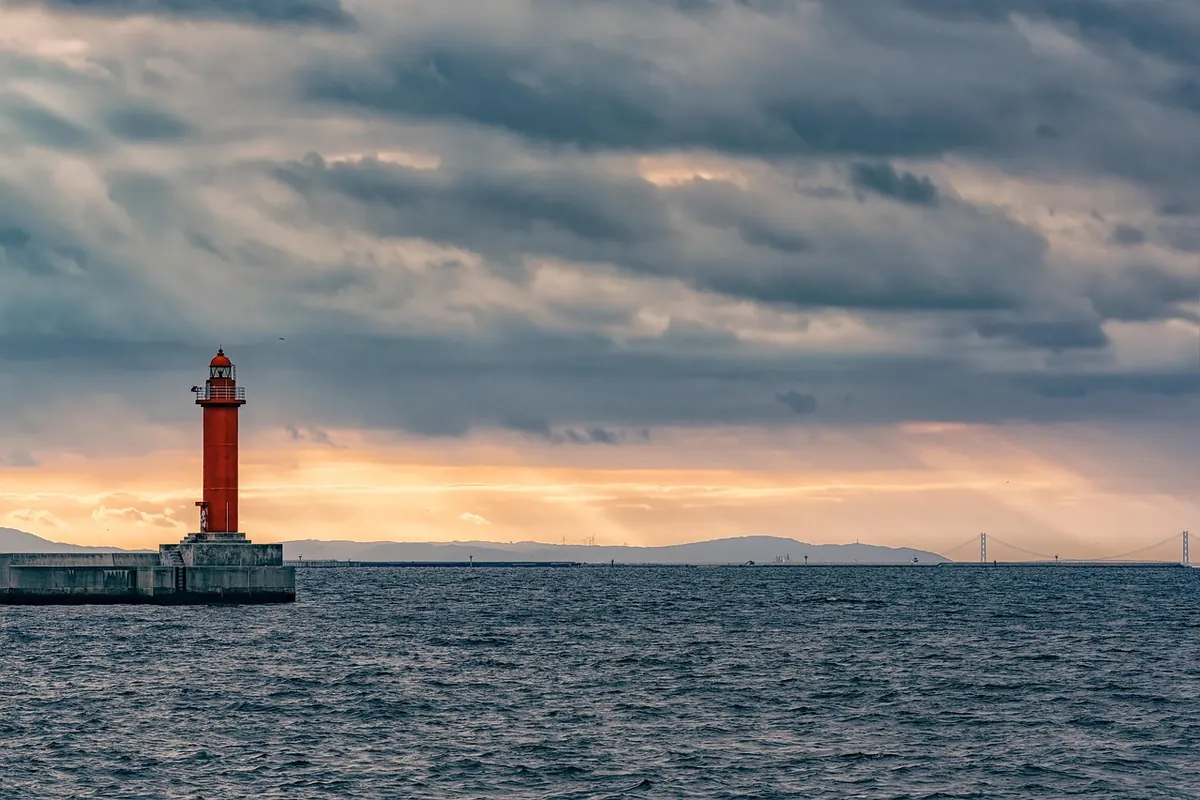
A lighthouse beam is a promise repeated on a schedule, which is exactly why it unsettles us when the schedule breaks. Before you can write that break — the night the light fails, the night it shines when the tower is empty — you need to know how the light was supposed to behave. Coastal ghost stories live or die on that kind of ordinary accuracy. The reader forgives a phantom; they do not forgive a first-order lens in a harbour lamp, or a high tide at the wrong hour.
What follows is the research order that works: building first, paper second, legend third, then water, weather, and the small physical facts that make an invented coast feel surveyed.
Start with the fabric of the building. When was it built, and what stood there before — a stone daymark, a wooden beacon that burned, a lightship anchored offshore? Rebuilds leave scars worth noticing: a plinth wider than the tower needs, a bricked-up doorway, a lantern room added later on the plans. Note the material. Granite towers on exposed western approaches are a different creature from cast-iron screw-pile lights in shallow bays, and they behave differently in a gale. Stone swallows sound; iron rings with it.
Then learn the light itself. The Argand lamp with its glass chimney, the Fresnel lens with its concentric prisms and its orders, the long shift from oil to acetylene to electricity, the twentieth-century retreat of keepers as automation arrived. Size dictates the human operation around it: three keepers, a relief boat and a rota, or a lock and a timer. That difference is character, plot, and theme all at once.
Watches. Brass cleaned until it sulked at fingerprints. Logbook entries giving weather, wind, visibility, visitors, and the state of the apparatus. Provisions landed by boat, mail that came twice a month, children taught at the kitchen table. Read a real logbook if you possibly can. A single page will teach you more about tone than a shelf of novels, because the tone is bored, exact, and occasionally terrified.
Most coastal ghost stories begin as documents. Coastguard and lifeboat records, harbour and customs ledgers, coroners' inquests, and the shipping columns of county newspapers will hand you names, ages, cargo, weather, and the exact hour a vessel stopped answering. Inquest reports are especially generous: they carry testimony from the last person to see someone alive, the state of a boat, the cost of a passage, the colour of a coat.
Take notes with dates attached to them. A detail you cannot date is a detail you cannot use, and an undated detail is the first thing an alert reader will catch.
Every coast has stories, and most of them are better than anything you will invent. Collect them properly. Write down who told you, when, and where they heard it, and ask for the earliest version they know. The variants are gold: the same drowned boatman appearing in three coves under three names tells you what the community needs him to be.
Then apply pressure. Some legends are old; some are a 1970s guidebook with a handsome cover. Tourist boards are not villains, but they do invent ancestors. The famous tale of wreckers luring ships onto rocks with false lights is repeated everywhere and documented almost nowhere; it survives because it flatters the coast and sells postcards. Ask who benefits from a story being true and you will learn more about a village than its ghosts could tell you.
Ask of every ghost: who needs this story told, and what does the telling protect?
Keep both kinds of material, the documented and the dreamed, but label them. Your story can use either. It cannot use them interchangeably.
This is where coastal fiction usually goes soft. Fog is not mood; it is acoustics and scheduling. In fog a light is nearly useless a mile out and everything depends on the signal — bell, diaphone, horn, explosive charge — sounding on a fixed interval. Characters can navigate by ear and be wrong about distance, because fog flattens and folds what you hear.
Learn the local tide. Spring and neap, the hour and height of high water, the beach you can walk at low water and lose within the hour. Learn the wind. Onshore brings weather and salt; offshore carries voices and smell out to sea. Note the season too: sea fog in early summer, gales near the equinoxes, the flat grey light of February.
Then keep it to one weather condition per scene and let it press on a decision — whether to row, to climb, to open the door. Two weathers in one scene cancel each other out.
Sketch a floor plan before you write a scene inside one. Where are the stairs, how many steps, how wide, how dark? A tower narrows as it rises; two people cannot pass comfortably near the top. The lantern room is glass on every side, so whoever stands there can see the shore and be seen from it — an audience and a witness in the same move.
Then walk the ground and time it, ideally on a bad day. Note what carries at that distance: surf on shingle, a bell buoy, a generator. Sound over water travels further than you expect and arrives late, shaped by the land between. Inside a hollow tower, your own footsteps come back at you a half-beat behind.
Sensory detail earns its place by being specific: guano and hot brass at the top, cold iron on the stairs, wet rope, diesel, salt drying on glass, the tick of the lens mechanism. Two or three per scene is plenty. Ten is a perfume shop.
Ghost stories fail for structural reasons rather than atmospheric ones. Decide early:
That last item matters most. A ghost with no ending becomes a special effect. Give your characters a sensible explanation, then let one specific detail do the haunting — a log entry in the wrong hand, a bell that sounds on the wrong interval, a lamp that turns a half-second early.
None of this has to appear on the page. Most of it never will, and that is fine. Research is not decoration; it is the floor you stand on while you lie. Readers feel a solid floor even when you give them nothing to look at.
Photo: Kanenori / Pixabay